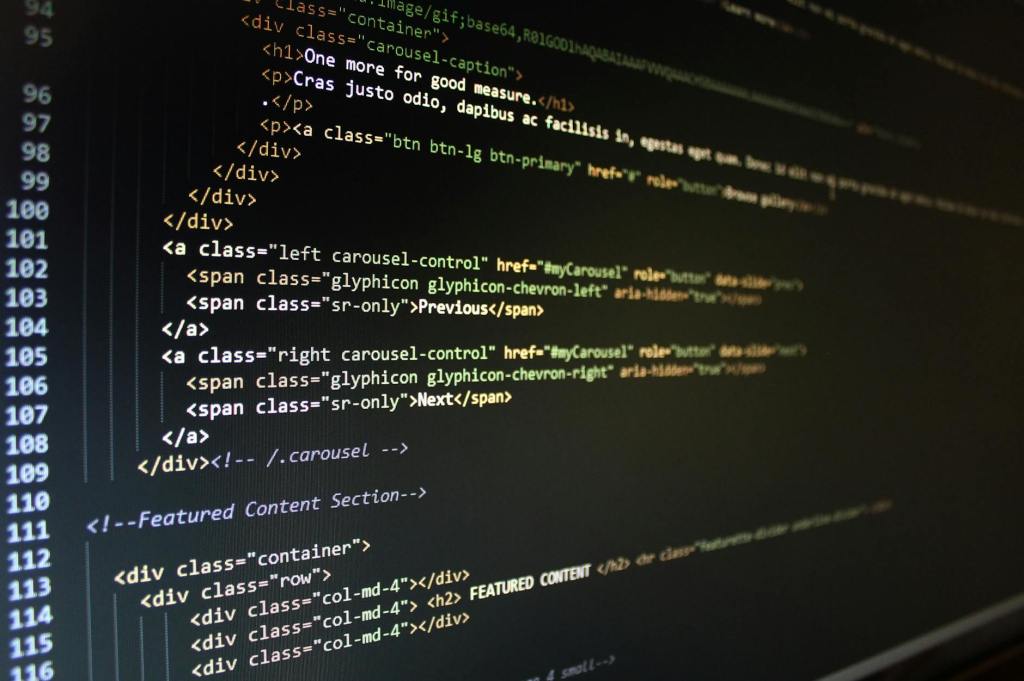
In today’s fast-paced, technology-driven world, coding has become a fundamental skill that opens up a plethora of opportunities across various industries. Whether you’re interested in developing software, creating websites, or even exploring the exciting field of artificial intelligence, having a basic understanding of coding is essential. This article aims to guide beginners through the exciting journey of learning the basics of coding.
The first step in learning to code is choosing a programming language. There are numerous languages to pick from, each with its own strengths and applications. For absolute beginners, languages like Python or JavaScript are often recommended due to their readability and versatility. Python, in particular, is known for its simplicity and extensive community support, making it an excellent choice for beginners.
Before diving into writing complex code, it’s crucial to grasp some fundamental concepts. These include variables, data types, loops, and conditional statements. Variables are containers for storing data, data types define the type of data a variable can hold, loops allow for the repetition of code, and conditional statements help control the flow of a program. Understanding these basics provides a solid foundation for more advanced coding.
Coding is a skill that improves with practice. Start by solving simple problems and gradually move on to more complex challenges. Numerous online platforms, such as Codecademy, HackerRank, and LeetCode, offer coding exercises for all skill levels. Engaging in hands-on projects helps reinforce theoretical knowledge and builds problem-solving skills.
Coding is not just about writing lines of code; it’s also about solving problems efficiently. Developing algorithmic thinking involves breaking down problems into smaller, manageable steps and designing algorithms to solve them. As you progress, you’ll learn to optimize code for better performance and efficiency.
One of the most effective ways to solidify your coding skills is by working on projects. Choose projects that align with your interests, whether it’s creating a personal website, a simple game, or a data analysis tool. Real-world projects provide practical experience and a tangible demonstration of your coding abilities.
Don’t be afraid to share your code and seek feedback from peers or online communities. Collaboration is a powerful tool for learning, as it exposes you to different perspectives and approaches. Platforms like GitHub offer opportunities to contribute to open-source projects and collaborate with other developers.
The world of coding is ever-evolving, with new technologies and frameworks emerging regularly. Stay curious and be open to continuous learning. Follow industry trends, read coding blogs, and explore advanced topics as you become more comfortable with the basics.
Learning the basics of coding is a rewarding journey that opens doors to countless possibilities. Whether you’re pursuing a career in software development, data science, or any other tech-related field, a strong foundation in coding is essential. Remember to choose a programming language, understand basic concepts, practice consistently, and embrace projects and collaboration. With dedication and perseverance, you’ll find that the world of coding is both challenging and immensely gratifying.
Happy coding!
Have a great day!

 John Liter
Leave a comment